At last: A UPF definition!
In this issue: An expert panel provides the first concrete definition of ultra processed foods, yoga in China and the dirty soda trend.

A year ago, I toured around Beijing, China. Like Trump but with exactly no fan fare. I carried my passport at all times and showed it to guards in the subway and at museums. My friend took me to see a section of the Great Wall where we heard a rumor that when Michelle Obama rode the toboggan down she whooped. No fact checker here but it sounds believable. For the record, I whooped when I went down, too.
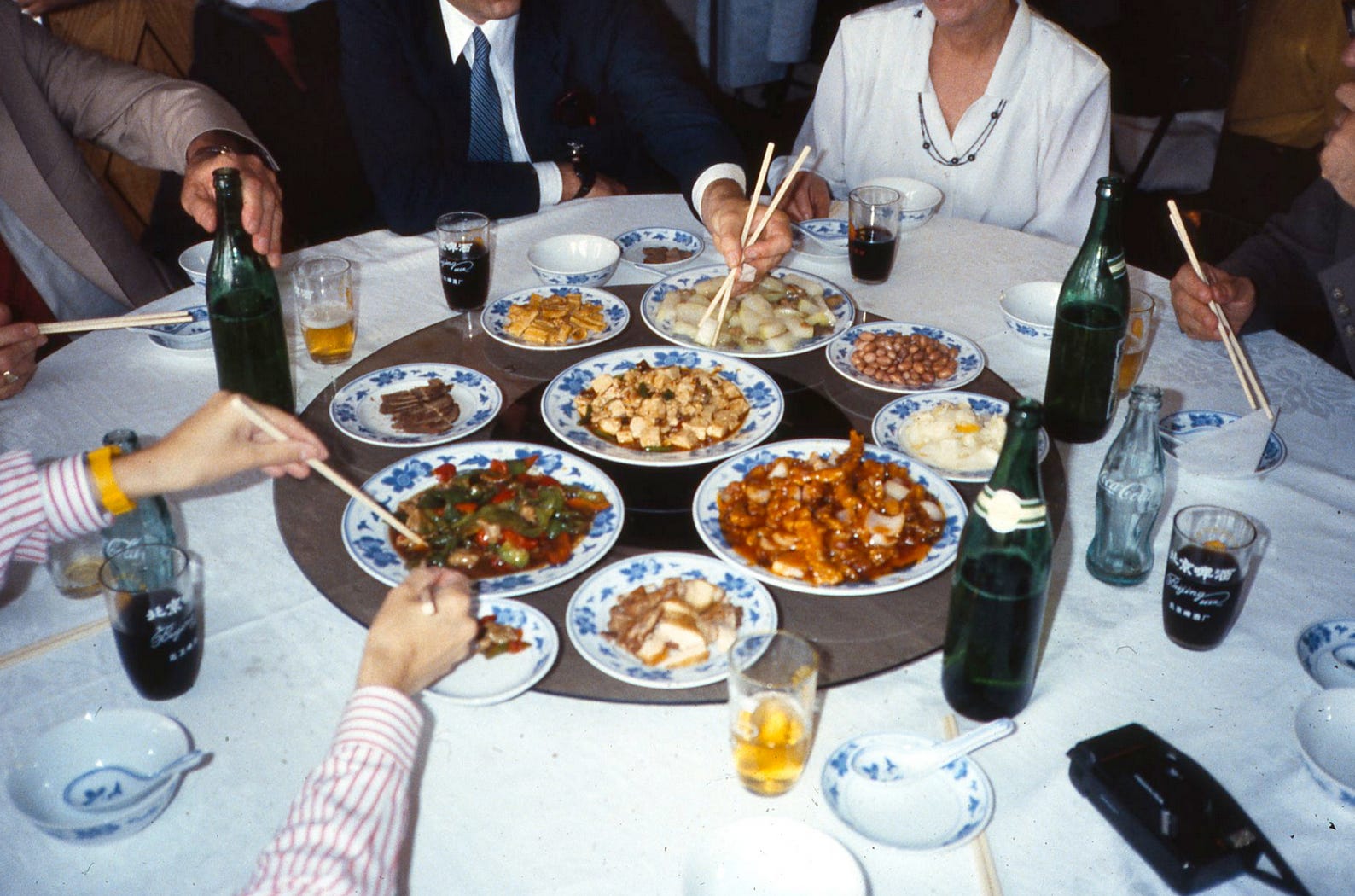
I wondered if Trump enjoyed the food as much as I did? Another friend recently got back from China and told me over email: “I had a great time, and yes, one of the reasons was the food. Several times they sat us at lazy susan tables and just kept bringing dish after dish. We didn't know when it would stop or how much to take because, would there be more?”
One thing I did that Trump surely didn’t was I practiced yoga in every city I visited. In Beijing I took an Iyengar-style class. The teacher gave me a look of panic when I walked in the room. I pointed two fingers at my eyes, and then grazed my fingers around the class: “I will watch,” I hoped to convey. We used straps and chairs and blankets. The class was fantastic.
The experience of taking yoga in another country is a way to connect and find community. In a place like China, where I definitely stood out, it allowed me to meet people over a shared hobby or passion. I used Google Translate to talk to the teachers; I exchanged phone numbers in WeChat; I went to breakfast with a fellow student and we now follow each other on Instagram.
This is the way I travel now, and it’s how I go deeper in place. I hope Trump gets the opportunity to talk to regular people in China and if not that I hope he dines with a lazy susan at his fingertips and wonders if the food will ever stop.
I’m just here for the tidbits:
A panel of experts convened to clearly define ultra-processed foods (UPF) and they’ve released their findings. The panel is part of Healthy Eating Research (HER), which is funded by the Robert Wood Johnson Foundation. The panel used the 4th level of the NOVA classification system to land on their rules. Based on this, they determined a food to be UPF if it contains “non-culinary ingredients.” This includes things like casein, dextrose, high-fructose corn syrup, maltodextrin, modified starch, and protein isolates. Not mentioned was methycellulose, which is derived from corn and requires extensive processing. (Also, anything that ends in “ose” is bad says Dr. Robert Lustig.) Food can also be UPF if it contains “cosmetic additives” like flavors (natural or artificial), emulsifiers, sweeteners (both sugar and non-sugar), colors (natural or artificial), thickeners, bulking agents, and gelling agents — like guar gum, carageenen and gellan gum. For now, this UPF definition will exclude a subset of ingredients that includes vitamins, minerals, herbs, spices, and yeast-derived ingredients. The guidelines are easy to follow and I hope they create big change around the world.
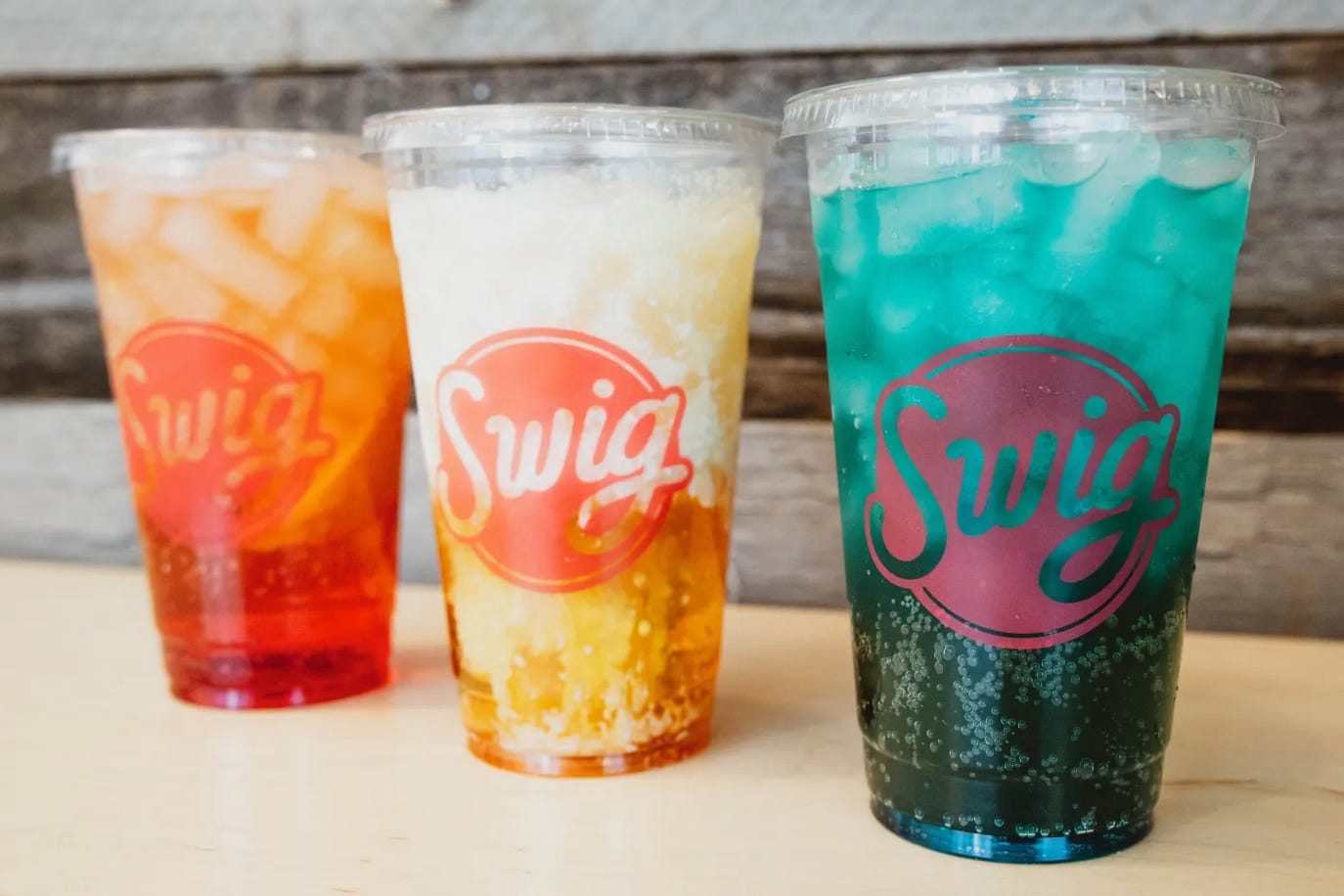
Dirty sodas at Swig. About a month ago, a friend suggested I write about dirty soda and he sent me this story. But since I’m not a drinks-with-sugar person I let it languish in my in-box. Welp, now the NYTimes has also covered the trend. The idea is simple: Add cream, simple syrups, lemon, and cold foam (for example) to seltzer or soda and serve over chunky small ice called “pebble” ice. Made popular by a reality TV show and TikTok, the idea seems to have captured people for its fun way it can become a mocktail. Have you had one that you loved? Drop me a line. If you live in the middle of the country you can order one at Swig.

Where you can find me:
Did you read my essays in Edible San Francisco about a Japanese bathing experience, the twinkling sounds of forest bathing and the meditative quiet of a slow walk?
I’m working on a new essay about how hard it is to eat foods that are good for our health when we’re constantly marketed junk.