Skip fasting. Drink ketones?
In this issue: the explosion of fitness drinks in the beverage case, a big funding round for a new kind of cooking oil, and the trouble with No. 5 plastic.

Welcome back to another edition of Technically Food, my Substack about most things food. Have a question that you can’t find an answer to? Wondering about that weird ingredient? Send it my way. I love hearing from you.
Today, let’s drink. Have you noticed that the beverage case is exploding? My standard fare doesn’t usually waver much from the ho-hum of average: water, sparkling water, tea (all kinds), coffee, wine, NA wine and well, that’s it. I use electrolytes when I go on a long hike or it’s a hot day and I’m sweating buckets. But when I’m shopping at the market I won’t hesitate to leave with an armful of new drinks.
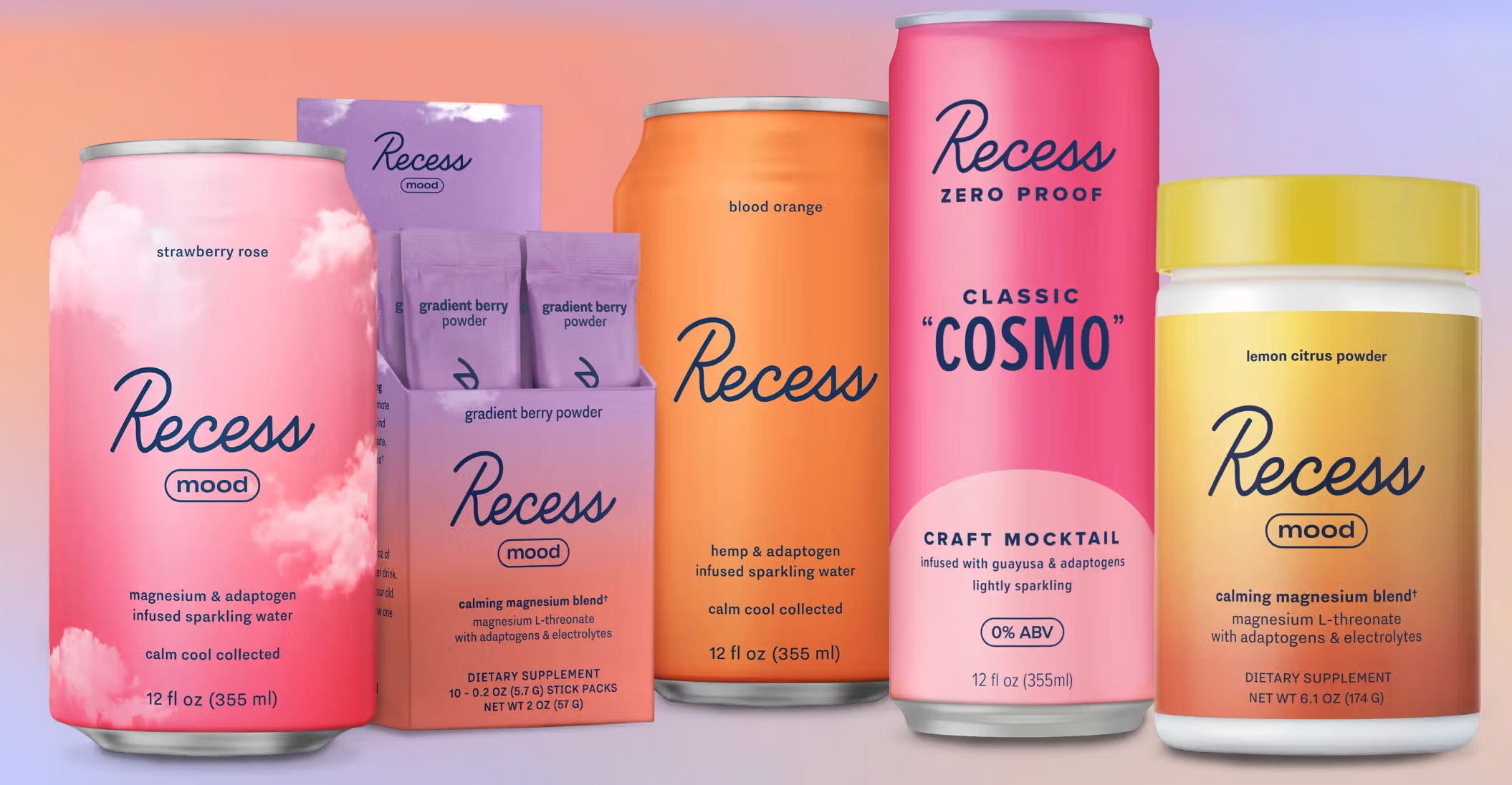
A year or two ago, the new stuff was CBD-enhanced drinks. (CBD is the non-psychoactive compound found in hemp plants.) Recess seems to be the brand with the most distribution. But with CBD I worried that people would mistakenly buy drinks without realizing what was in it. (Myself included.) I’m not seeing quite as much CBD but other ingredients are joining the fray like creatine, CoQ10, L-Theanine, L-Leucine, coffee fruit, and…ketones.
Ketones? When I went to the hospital at age 12 with a diagnosis of Type-1 diabetes, I learned that my body was no longer producing insulin. I was very thin and had an elevated level of ketones. This wasn’t a good thing. The nurses taught me how to prick my finger to determine my blood sugar and, if needed, to pee on a stick to see if I was “running ketones.”
Ketones then weren’t something we wanted until later in life when I learned about the keto diet. I bought a machine that would read my ketones, which was easier, but I still had to prick my finger. The keto diet works when you keep your carbohydrate levels low—usually under 30 grams, or you’re fasting. It’s been percolating for years, but today there are supplements that may put your body in that state without the effort of eating low carb or fasting.
Ketone-IQ, which is sold as an energy drink, uses 1,3-butanediol (1,3-BD)—a ketogenic precursor used instead of nutrient deprivation. The reason we might want to be in a ketogenic state—artificial or by diet—is our bodies innate ability to create an alternative fuel reserve. In a ketogenic phase, our bodies can convert energy stored in lipids as a fuel that can be readily oxidized by the brain, heart and other peripheral tissues.
Players on the television show “Alone,” who are often starving because they have to find, harvest and cook their own food, could have plenty of energy if they found enough protein and fat to eat. (Spoiler: they mostly don’t and one guy recently got gout because he ate so much eel!) If you want to read more about the history and reasons behind the keto diet, try this book by Gary Taubes.
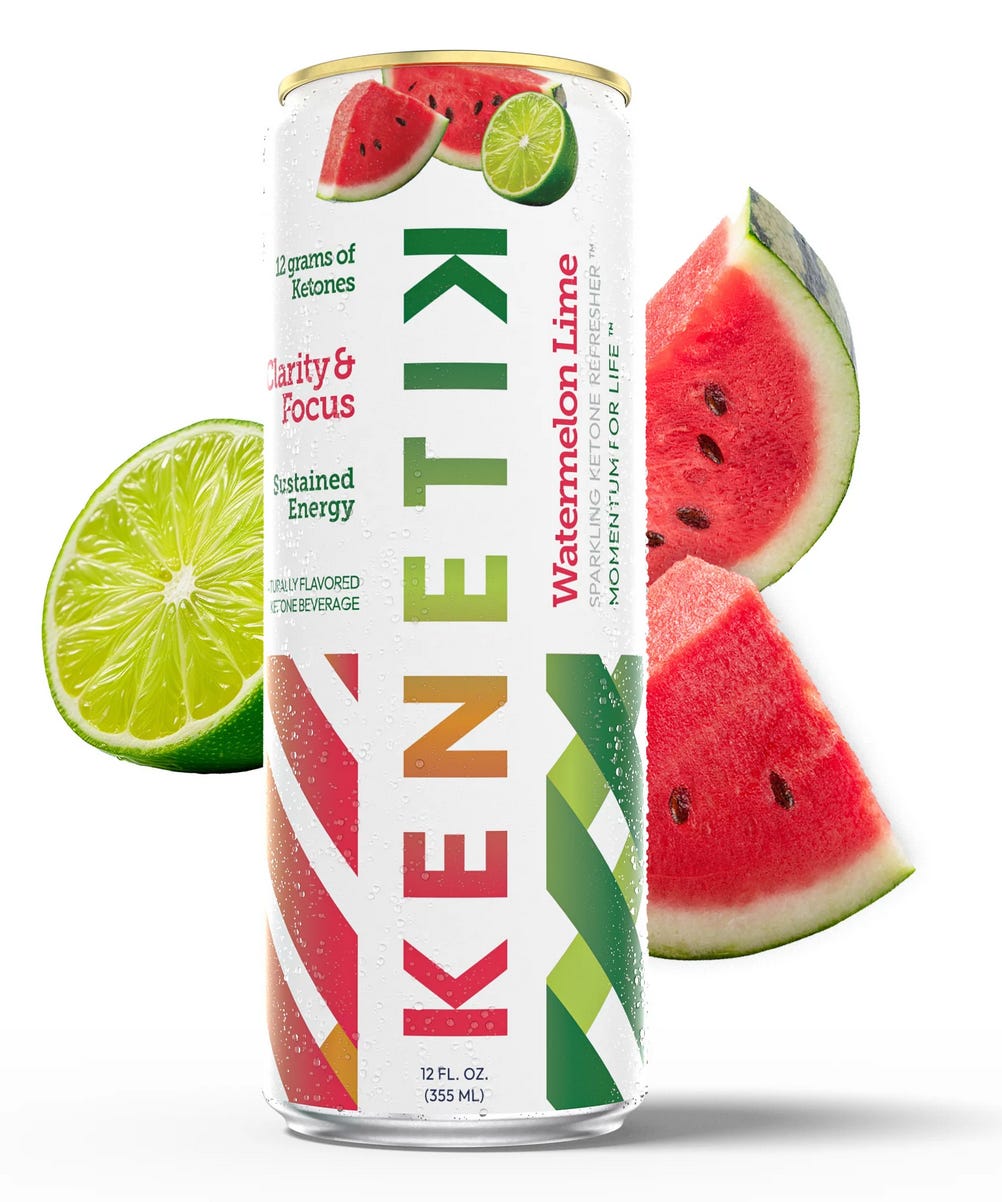
Another brand selling a like-minded product is Kenetic, which came my way from my nephew who is either on his bike, on the road or at the gym. Kenetic uses D-Betahydroxybutyric Acid (D-BHB) - the same ketone molecule your body produces when fasting. They combine that with R-1,3-butanediol (RBDO). I haven’t found either drink in store, but I’ll track it down and report back.
In the meantime, here’s a very small study of 33 healthy adults ages 18 - 65 that showed success in using these types of compounds. Give it a try in small amounts to start. I’d suggest taking it before a workout or in the morning before a busy day. Maybe a big travel day? Then have the very same day without it. Take good notes and see if you notice any differences.
Happy summer everyone! Technically Food is off on a summer road trip. I’ll be back in your in-box on July 24th.
I’m just here for the tidbits:
Algae Cooking Club just raised $11.6-million dollars in funding. With investors being more leery of food-tech, this is a huge vote of confidence in the promise of algae cooking oils. A few reasons to try them include its high smoke point, its flavorless and odorless and use a fraction of land because its made via fermentation. I covered Zero Acre, another algae-based oil, for the SF Chronicle and it looks like Zero Acres will be launching a fruit-based cooking oil soon. I liked using the product on the range, but not in salads and I’d definitely use algae over coconut.
Summer in New York means one thing: overflowing trash cans filled with empty iced coffee cups. This seemed to be a problem for no one except me. But last February, Starbucks announced that those cups, which are single-use polypropylene (No. 5 plastic) had become more “widely recyclable” in the US. According to Beyond Plastic, “about 75% of Starbucks’ U.S. beverage sales are cold drinks, most often served in polypropylene (No. 5 plastic) cups.” I know I (still) can’t recycle No. 5 plastics in Marin county, and I wondered if the company’s claim was true. Beyond Plastics, a non-profit based at Bennington College, wondered too. They conducted a three-month nationwide investigation from January to March 2026 using trackers in the waste bins to test Starbucks' claim. The Vermont non-profit found that “not a single tracked cup ended up at a recycling facility.” The bulk of recycled plastic is marked No. 1 and No. 2. There are only two commercial recycling locations that say they accept No. 5 but with little evidence that proves they take it, what they do with it, and where it goes. Most plastic streams are contaminated—liquids, food, other plastics— and this will continue to be a problem until the packaging industry does it differently.
Where you can find me:
I have a new article in Provoked Magazine covering how challenging it is to shop for “healthy” food in the supermarket, and the competing interests that are being marketed to us — climate, health, and animal welfare.
I wrote for the print issue of Saveur magazine about Smoke Door Tahoe. The restaurant is in Tahoe City, on the shores of Lake Tahoe where the chef cooks most ingredients over live fire using local almond wood. The food is fantastic. (I went for my birthday two years ago.) Here’s the first page about the restaurant, and a super tasty cocktail recipe called the Shiso Fine.
I lost 40 lbs on a ketone diet - eggs and bacon and tuna and cheese and meat - without any fancy ketone smart drinks. That’s how we did it back then. And we never recycled. We’d just throw our garbage into the river where it would get swept away and we’d never see it again. Simpler times.
City of L.A. takes #5 plastics, so that's a pretty big market. What happens to it after it goes in the bin, I don't know--and I probably don't want to.